Tracing the Phases of Reel Mechanism Creation for Mobile Compatibility in Regulated British Markets
Written by Katja Krause · Jun 21, 2026
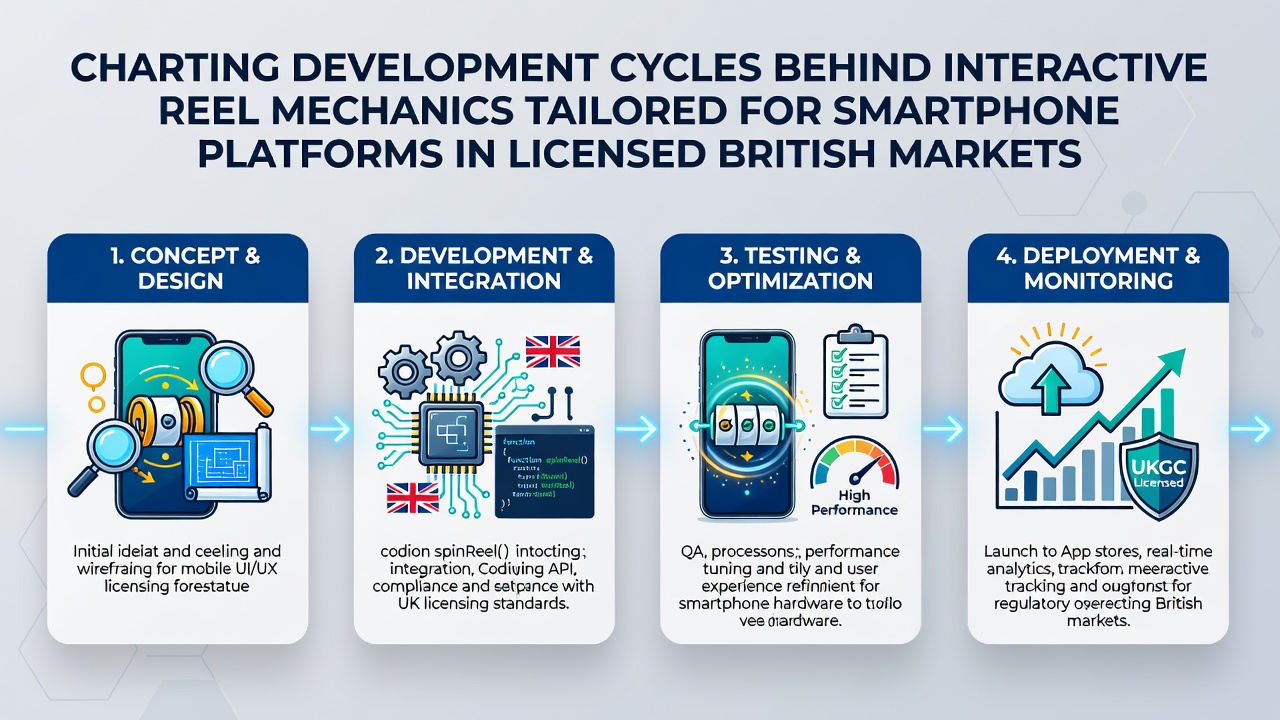
Tracing the Phases of Reel Mechanism Creation for Mobile Compatibility in Regulated British Markets
Development teams in the gaming sector follow structured cycles when building interactive reel mechanics designed specifically for smartphone platforms operating under licensed conditions in British markets, and these cycles incorporate multiple stages from initial concept through final deployment while addressing hardware constraints and user interaction patterns common on mobile devices.
Initial Concept and Planning Stages
Teams begin by analyzing market data on player preferences for reel-based games on smartphones, which reveals patterns in engagement metrics such as session duration and feature interaction rates, while researchers compile information from industry reports that highlight the need for mechanics optimized for touch interfaces rather than traditional button controls found on desktop systems.
Planning incorporates considerations for screen size variations across popular smartphone models, and developers map out potential reel configurations that maintain visual clarity without excessive zooming or scrolling requirements, since compact displays demand precise layout adjustments to preserve the integrity of bonus triggers and symbol alignments.
Prototyping and Technical Integration
Prototyping involves creating early versions of reel mechanics that respond to swipe gestures and tap inputs, with engineers testing frame rates to ensure smooth animations on devices running different operating systems, and this phase often reveals compatibility issues that require code adjustments to handle varying processor speeds encountered in mid-range smartphones prevalent among users in licensed markets.
Integration of random number generators occurs during these stages to guarantee fair outcomes, and testing protocols verify that algorithms perform consistently across network conditions ranging from stable Wi-Fi to variable mobile data connections, since interruptions can affect the delivery of real-time results in interactive sequences.
Regulatory Alignment and Compliance Checks
Compliance teams review all reel features against standards set by licensing authorities in Britain, which emphasize transparency in payout structures and responsible design elements, while external audits examine source code for any unintended biases in symbol distribution that might emerge during extended play sessions on mobile platforms.
Data from international sources such as reports by the Gaming Standards Association informs these reviews by providing benchmarks on technical specifications that support cross-platform consistency, and developers incorporate feedback loops to refine mechanics before advancing to broader testing phases.
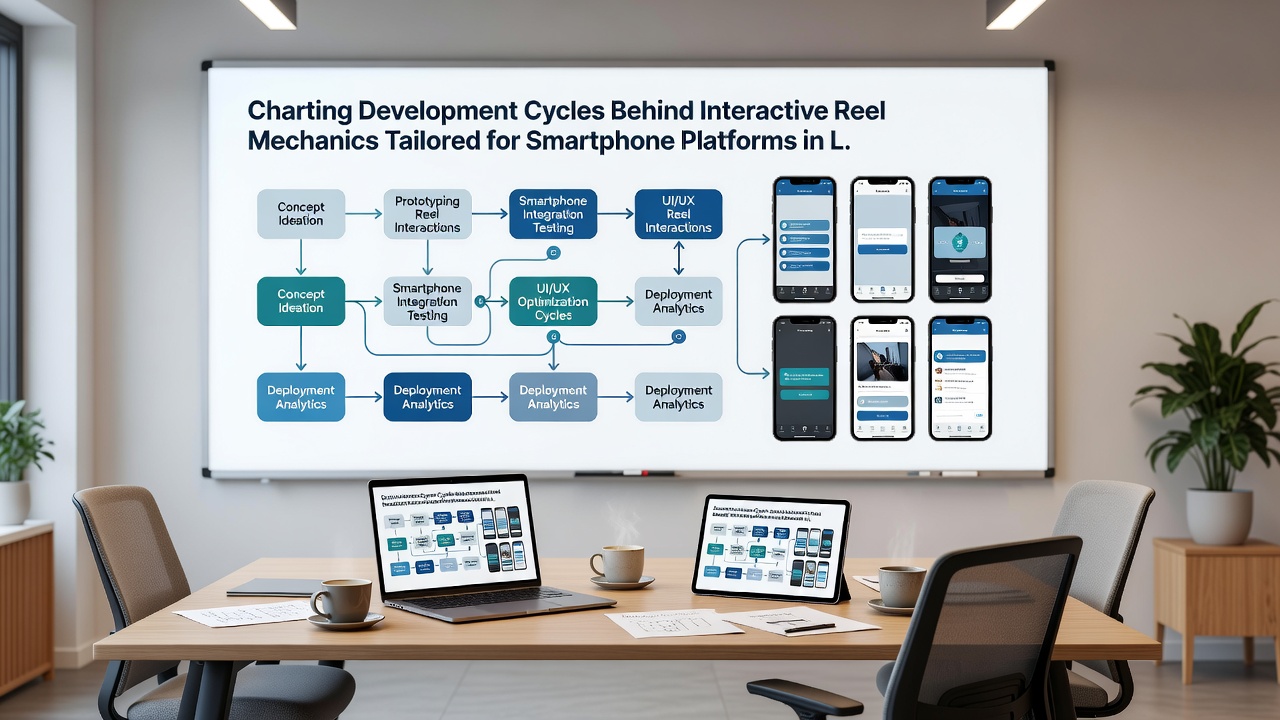
Testing Across Diverse Device Ecosystems
Extensive testing spans multiple smartphone brands and models available in British markets, where quality assurance specialists simulate real-world usage scenarios including portrait and landscape orientations along with interruptions from incoming calls or notifications, and results from these trials guide optimizations that prevent feature lag during high-intensity sequences like cascading symbols or expanding wilds.
Researchers at institutions such as those contributing to studies published through the University of New South Wales have documented how mobile-specific variables influence user retention in reel-based titles, and development cycles now routinely integrate such findings to adjust timing parameters for animations and reward deliveries that align with typical attention spans observed on handheld devices.
Deployment and Ongoing Refinement Cycles
Deployment follows successful certification, after which performance monitoring tools track metrics like load times and crash reports specific to smartphone users in licensed environments, and teams initiate refinement cycles based on aggregated data that identifies areas for mechanic tweaks without altering core random elements.
As of June 2026, updates to reel interactions continue to emphasize adaptive difficulty scaling that responds to individual play patterns while remaining within regulatory boundaries, and this approach allows for iterative improvements that enhance accessibility features such as adjustable spin speeds or simplified bonus explanations tailored for smaller interfaces.
Conclusion
The full cycle from concept to live operation demonstrates how specialized reel mechanics evolve to suit smartphone constraints in Britain's licensed markets, with each phase building on data-driven insights that support both technical reliability and adherence to established standards, and ongoing monitoring ensures these systems remain responsive to emerging device capabilities and player behaviors observed across the sector.