Decoding Respin Chain Sequences and Their Effects on Play Sessions in Licensed Digital Gaming Markets
Written by Olivia Griffin · Jul 30, 2026
Decoding Respin Chain Sequences and Their Effects on Play Sessions in Licensed Digital Gaming Markets
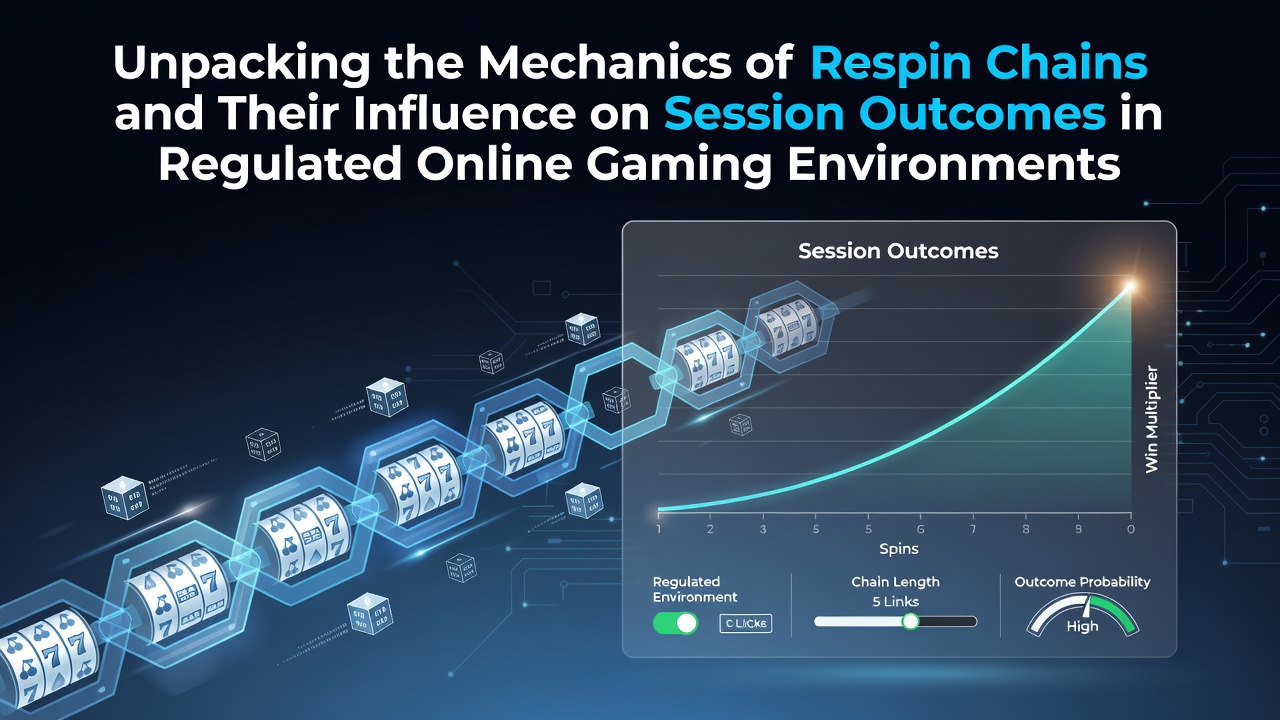
Respin chain sequences operate as a core mechanic in many regulated slot titles where specific symbol combinations initiate one or more additional reel spins without requiring a new wager, and successive triggers extend the sequence into chained rounds that accumulate wins or multipliers along the way.
Core Components of Respin Activation
Developers program these features so that landing a minimum number of designated symbols, often scatters or special wilds, locks those positions while the remaining reels respin, and any new matching symbols join the hold set to prolong the chain until no further triggers appear or a maximum round limit is reached. Data from industry reports indicates that such mechanics alter the distribution of outcomes by concentrating potential returns into fewer but more layered events rather than spreading smaller results across every base spin.
Regulated environments require transparent disclosure of how these chains contribute to overall return-to-player percentages, with testing laboratories verifying that the mathematical model accounts for every possible chain length and multiplier application. Observers note that session length tends to extend when chains activate frequently, since each respin adds time to the play cycle without additional stake input from the participant.
Impact on Session Volatility and Duration
Chains introduce variability because short sequences deliver modest additions while extended runs combine multiple multipliers or jackpot qualifiers, shifting the risk profile of a single session toward higher variance. Research from academic sources on gambling mathematics shows that operators calibrate chain frequency to maintain compliance with jurisdictional caps on stake and payout structures, ensuring the feature does not breach licensed parameters.
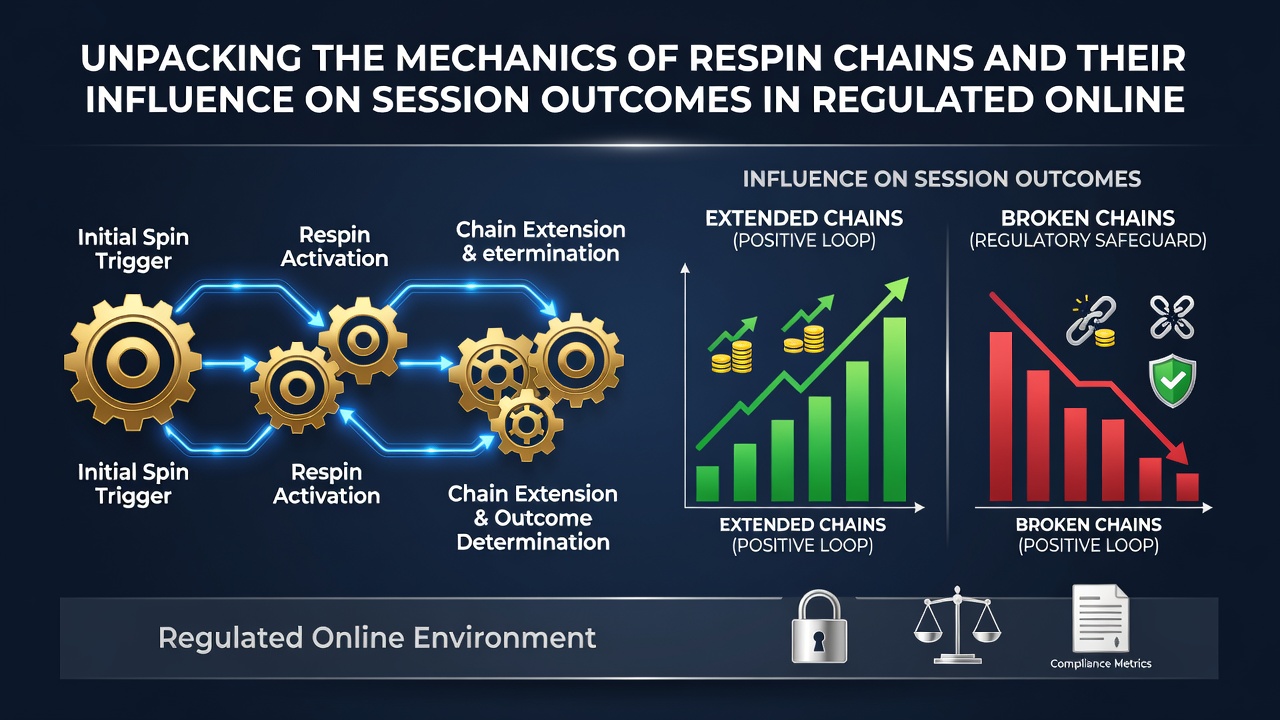
Figures from the National Council on Examinations for Engineering and Technology in Gaming reveal measurable differences in average spin counts per session once chain mechanics are enabled versus disabled, with data collected across multiple licensed platforms. Those patterns emerge because each successful chain replaces what would have been a standard spin interval, effectively compressing or stretching the time players remain engaged.
Regulatory Oversight and Mathematical Verification
Licensing bodies in various regions mandate that independent auditors review the random number generator outputs feeding into respin triggers, confirming that chain probability remains consistent across millions of simulated sessions. In July 2026 updates to compliance frameworks across several North American and European jurisdictions, emphasis has shifted toward real-time monitoring of chain frequency to detect any deviation from certified models.
One study released by the International Center for Gaming Research examined thousands of logged sessions and found that respin chains contribute between 12 and 28 percent of total return in titles where the feature appears, depending on the specific paytable weighting. This contribution occurs because chained rounds often apply escalating multipliers or add extra symbols that would not appear in base play.
Player Session Patterns in Licensed Markets
Session outcome records from regulated operators demonstrate that participants who encounter at least one full chain per 50 spins experience longer average play durations compared with sessions lacking any chain activation. The difference arises because the mechanic sustains engagement through repeated reel activity without requiring new bets, yet each outcome remains governed by the same certified probability matrix.
Software providers integrate visual and auditory cues during chain progression to signal ongoing potential, and these elements are tested for compliance with advertising standards that prohibit misleading representations of win likelihood. Data indicates that chain frequency settings vary by title volatility category, with lower-volatility games featuring shorter average chains and higher-volatility releases allowing rarer but longer sequences.
Conclusion
Respin chain mechanics function as a defined layer within certified slot mathematics, influencing both the timing and magnitude of session results under strict regulatory controls. Licensed platforms continue to report aggregate performance metrics that reflect these features while maintaining adherence to jurisdictional requirements for transparency and fairness.