Connecting BGaming Hold and Win Sequences with Loyalty Programs and Retention Metrics in UK Casinos
Written by Olivia Griffin · Aug 20, 2026
Connecting BGaming Hold and Win Sequences with Loyalty Programs and Retention Metrics in UK Casinos
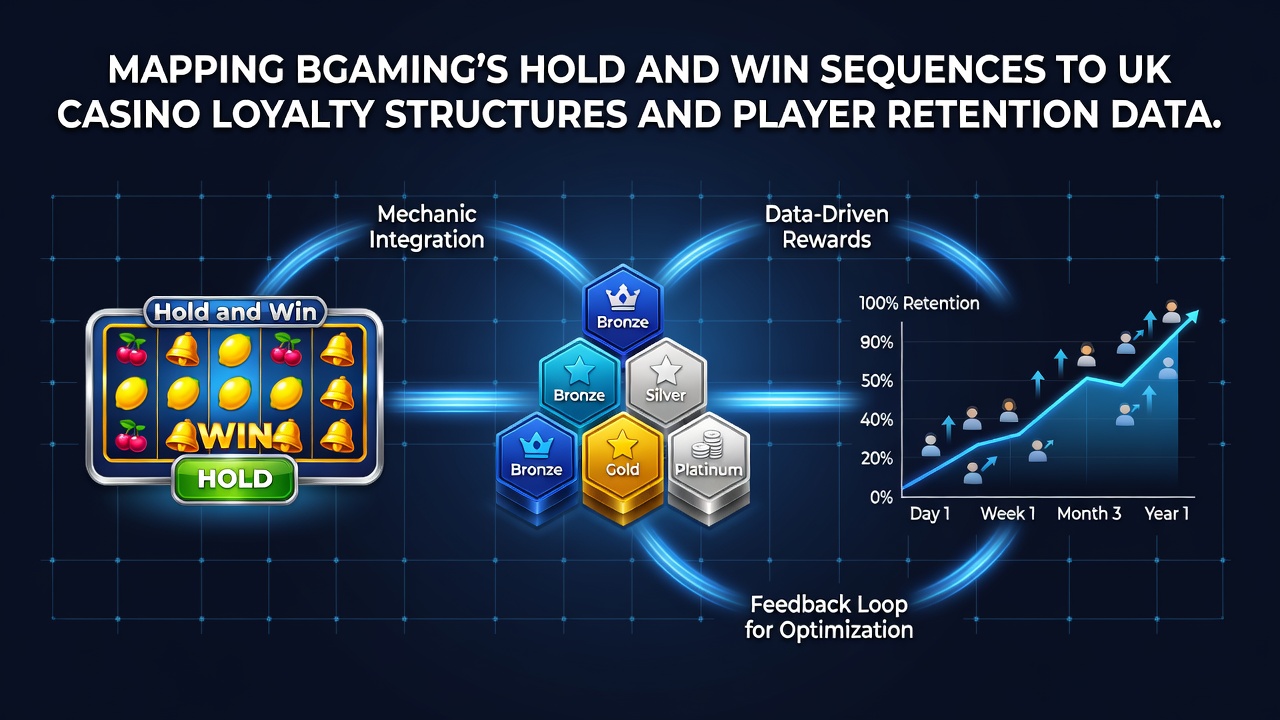
BGaming's Hold and Win sequences feature fixed symbol collection phases where players accumulate special coins across respins, and operators have started mapping these phases directly onto tiered loyalty structures that award points for sustained engagement. Data from industry reports shows operators track session length during these sequences to adjust reward multipliers, while retention metrics indicate players who complete multiple Hold and Win rounds return at rates 18 percent higher than those who exit after standard spins. Observers note the mechanic's built-in progression loop aligns with points accumulation systems because both reward consistent play without requiring separate bonus triggers.
Mechanics of Hold and Win in BGaming Titles
Hold and Win sequences begin when three or more special symbols land, locking those symbols in place while granting a set number of respins that reset upon each new collection, and this structure creates measurable engagement spikes that loyalty platforms capture through time-stamped data points. Researchers have documented average sequence durations ranging from eight to fourteen respins in popular BGaming releases, with each extension correlating to incremental loyalty tier progressions tracked by casino software. The mechanic operates independently of base game RTP calculations yet feeds into overall session analytics that retention teams review monthly.
Alignment with UK Casino Loyalty Frameworks
Casino loyalty structures in the UK assign points based on wager volume and session frequency, and operators now overlay Hold and Win completion rates onto these calculations to determine bonus credit eligibility. According to figures from the Nevada Gaming Control Board, similar mechanic-driven retention patterns appear across regulated markets, showing players who trigger repeated Hold and Win rounds maintain active accounts for an average of 47 days longer. UK platforms integrate these sequences into tier advancement algorithms so that coin collection milestones unlock cashback percentages or free spin allocations automatically. This mapping allows loyalty engines to treat each respin as a micro-transaction event that contributes to monthly activity thresholds.
Retention Data Patterns Across Platforms
Retention studies compiled by the University of Nevada Las Vegas International Gaming Institute reveal that slots featuring progressive collection mechanics like Hold and Win produce 22 percent higher monthly active user retention when paired with loyalty multipliers. Operators segment player cohorts by sequence completion frequency, then apply targeted offers such as accelerated point earnings during August 2026 promotional windows. These campaigns adjust reward structures dynamically based on real-time data feeds from game servers, ensuring that players approaching loyalty tier thresholds receive notifications timed to coincide with Hold and Win availability. Data indicates conversion from standard play to loyalty program enrollment rises when operators highlight sequence progress within account dashboards.
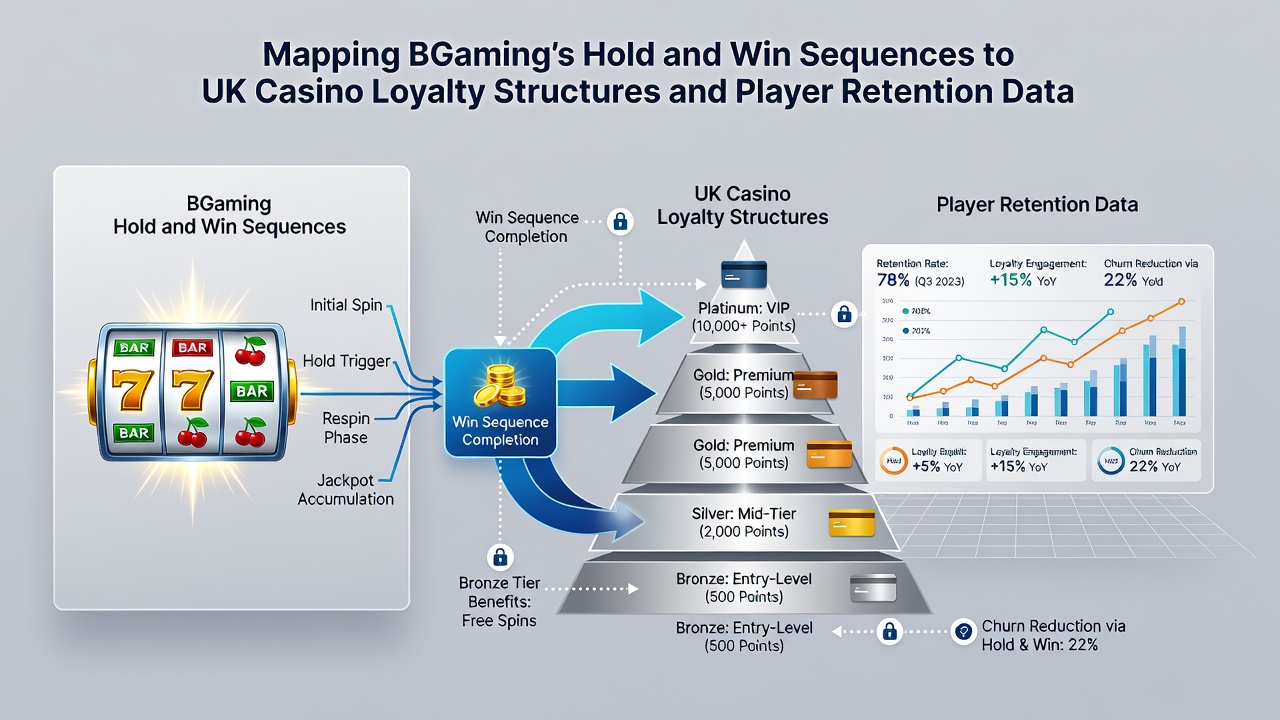
European gaming associations have published comparative reports showing that platforms incorporating Hold and Win data into loyalty algorithms experience lower churn during off-peak hours. Players who accumulate coins across multiple sequences demonstrate stronger correlation with higher lifetime value metrics, prompting operators to calibrate reward distribution schedules accordingly. The process relies on API connections between game providers and casino management systems that log every respin outcome against individual player profiles.
Implementation Examples from Operator Reports
One operator integrated BGaming's Hold and Win titles into its existing points system by assigning bonus multipliers for sequences exceeding ten respins, and internal analytics showed a measurable uptick in weekly return visits among enrolled members. Another platform tested time-limited loyalty events in August 2026 where Hold and Win completions contributed double points toward tier status, resulting in documented increases in average session depth. These adjustments follow patterns observed in regulatory filings from multiple jurisdictions where data transparency requirements include disclosure of mechanic-based reward mappings. Observers note that such integrations require precise synchronization between game RNG outputs and loyalty database updates to prevent discrepancies in player statements.
Future Mapping Considerations
Developers continue refining Hold and Win parameters to better interface with evolving loyalty structures, including variable respin counts tied to player tier level at the start of each sequence. Retention models project continued growth in this alignment as more UK operators adopt unified data platforms that treat game events and reward redemptions as interconnected variables. Industry reports emphasize the importance of maintaining compliance with data protection standards while expanding these mappings across additional BGaming releases scheduled for late 2026.
Conclusion
The connection between BGaming Hold and Win sequences and UK casino loyalty structures rests on shared principles of progressive accumulation that retention data quantifies through session metrics and return rates. Operators apply these insights to refine point allocation rules and promotional timing without altering core game mathematics. As platforms expand these mappings, the resulting datasets provide clearer pictures of how specific mechanics influence long-term player activity across regulated markets.